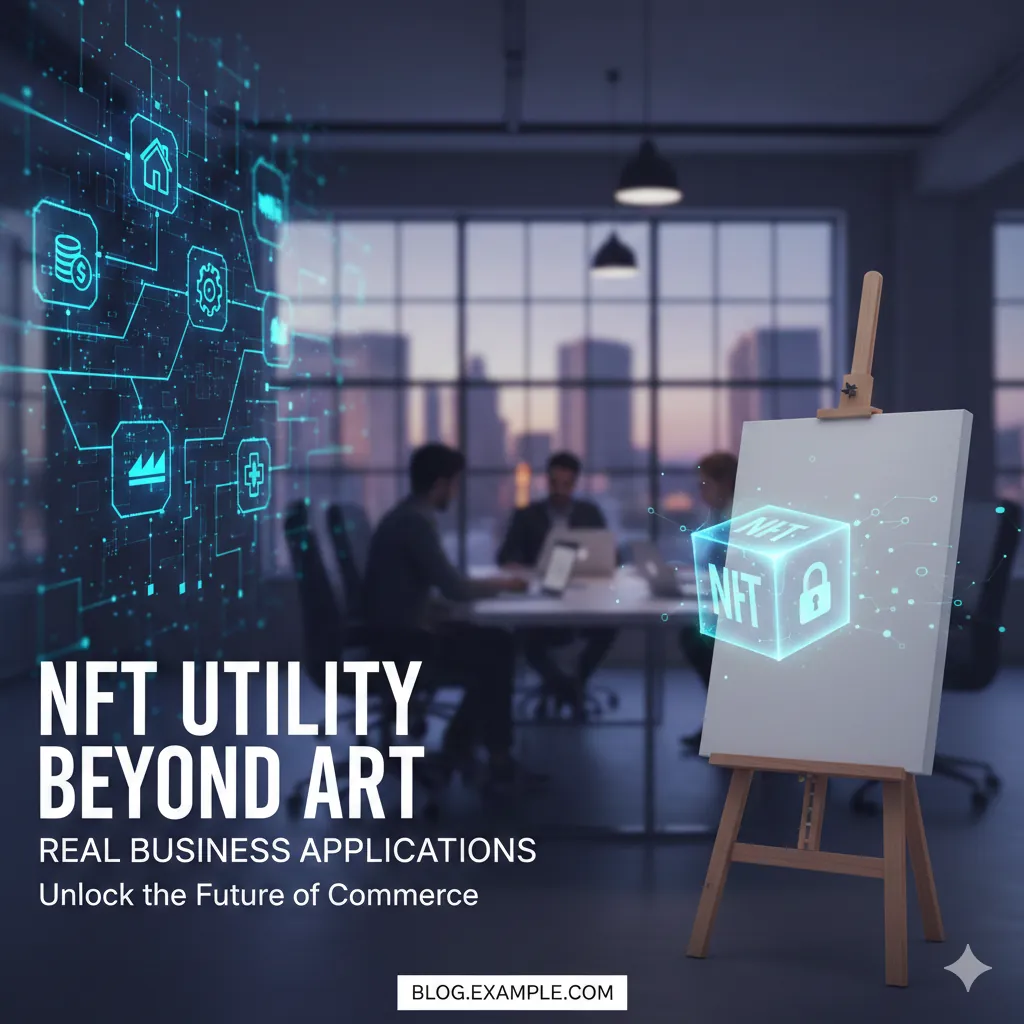
In 2026, NFTs have moved beyond digital art into real business utility - powering event ticketing, membership and loyalty programs, supply chain provenance, verifiable credentials, digital twins, and gaming assets. Development costs range from $15,000 for a basic collection to $150,000+ for enterprise solutions.
NFTs have evolved far beyond digital art. In 2026, businesses are using NFTs for ticketing, memberships, supply chain tracking, credentials, and more. The technology enables new business models built on verifiable digital ownership.
NFT Business Applications
1. Event Ticketing
NFT tickets eliminate fraud, enable secondary market royalties, and create lasting connections with attendees.
- Benefits: Anti-counterfeiting, royalties on resale, post-event engagement
- Examples: Ticketmaster, NFL, Live Nation partnerships
- Cost savings: 30-50% reduction in fraud losses
2. Membership & Loyalty Programs
Token-gated access to exclusive content, events, and benefits. Members truly own their status.
- Benefits: Transferable membership, tiered benefits, community ownership
- Examples: Starbucks Odyssey, Reddit Collectibles
- Engagement lift: 2-3x higher for token holders
3. Supply Chain & Provenance
Track products from origin to consumer with immutable records. Critical for luxury goods, pharmaceuticals, and food safety.
- Benefits: Anti-counterfeiting, regulatory compliance, consumer trust
- Examples: LVMH Aura, IBM Food Trust
- Applications: Luxury goods, wine, pharmaceuticals
4. Credentials & Certifications
Verifiable credentials that can't be faked. Diplomas, certifications, and professional licenses on-chain.
- Benefits: Instant verification, fraud prevention, portability
- Examples: Academic credentials, professional certifications
- Adoption: Universities and training providers leading
5. Digital Twins & IoT
NFTs representing physical assets enable new financing, insurance, and tracking models.
- Benefits: Asset tokenization, fractional ownership, automated insurance
- Applications: Real estate, vehicles, equipment
6. Gaming & Digital Assets
True ownership of in-game items that persist across games and can be traded freely.
- Benefits: Player ownership, interoperability, secondary markets
- Market size: $50B+ gaming NFT market projected
Implementation Considerations
- Blockchain choice: Ethereum for value, Polygon/Base for volume
- Wallet UX: Custodial vs non-custodial trade-offs
- Legal: Securities implications, terms of service
- Environmental: Use PoS chains for sustainability messaging
NFT Development Costs
- Basic NFT collection: $15,000 - $50,000
- Utility platform (ticketing, membership): $50,000 - $150,000
- Enterprise solution: $150,000+
Why Choose Weiblocks
At Weiblocks, we build NFT solutions with real utility - not hype. We help businesses identify genuine use cases and build platforms that deliver value to users.
Ready to Explore NFT Utility?
Contact Weiblocks to discuss how NFTs can create new value for your business. We'll help you move beyond collectibles to genuine utility.